Here's a breakdown:
* Semi: Meaning "partly" or "halfway"
* Arid: Meaning "dry" or "lacking in moisture"
Characteristics of Semi-Arid Regions:
* Rainfall: Receives between 10 and 20 inches (250 to 500 mm) of rainfall per year.
* Vegetation: Typically supports grasses, shrubs, and some drought-resistant trees.
* Climate: Experiences hot summers and cool to cold winters.
* Soil: Can be sandy, rocky, or clay-like, often with poor drainage.
* Water availability: Water resources are often scarce and unreliable.
Examples of Semi-Arid Regions:
* The Great Plains of North America
* The Sahel region of Africa
* Parts of Australia
* The Mediterranean region
Importance of Semi-Arid Regions:
* Home to diverse ecosystems: Support unique plant and animal life adapted to dry conditions.
* Agriculture: Can be suitable for certain crops, such as grains and legumes.
* Grazing: Can support livestock, but careful management is crucial to avoid overgrazing.
* Human settlements: Many people live in semi-arid regions, but face challenges related to water scarcity and drought.
Challenges of Semi-Arid Regions:
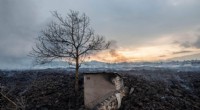
* Drought: Regular periods of below-average rainfall can lead to water shortages, crop failures, and desertification.
* Desertification: The degradation of land in arid and semi-arid areas, often caused by human activities such as overgrazing and deforestation.
* Water scarcity: Limited rainfall and poor water management can lead to water shortages for both human and animal populations.
In conclusion, semi-arid regions are characterized by moderate rainfall, sparse vegetation, and a challenging environment for human life and agriculture.