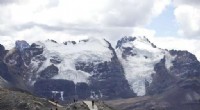
1. Evaporation from water bodies: Mountains often have lakes, rivers, and streams. Water from these bodies evaporates into the atmosphere, especially on warmer days when the sun is strong. This process is called evaporation.
2. Transpiration from plants: Plants in mountainous areas absorb water from the ground and release it into the atmosphere through their leaves. This process is called transpiration. It's like a natural form of sweating for plants, helping them to cool down and transport nutrients.
These two processes contribute significantly to the overall humidity levels in mountain regions.