Formation:
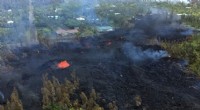
* Magma and Igneous Rocks: Deep within the Earth, molten rock called magma forms. When magma cools and solidifies, it forms igneous rocks like granite, basalt, and obsidian. This process can occur above ground (extrusive) through volcanic eruptions or below ground (intrusive) when magma cools slowly.
* Sedimentary Rocks: Weathering and erosion break down existing rocks (igneous, sedimentary, or metamorphic) into smaller pieces called sediment. These sediments are transported by wind, water, or ice and deposited in layers. Over time, these layers are compacted and cemented together, forming sedimentary rocks like sandstone, limestone, and shale.
* Metamorphic Rocks: Existing igneous or sedimentary rocks can be transformed into metamorphic rocks by intense heat and pressure. This process occurs deep within the Earth's crust or when tectonic plates collide. Examples include marble (from limestone), slate (from shale), and gneiss (from granite).
Destruction:
* Weathering: This process breaks down rocks into smaller pieces through physical (like frost wedging) or chemical (like acid rain) processes.
* Erosion: Once weathered, rocks are transported away by wind, water, or ice. This can lead to the deposition of sediments that ultimately form new sedimentary rocks.
* Subduction and Melting: When tectonic plates collide, one plate can slide under the other (subduction). The subducted plate melts, creating magma that can rise to the surface and erupt as volcanoes, forming new igneous rocks. This process destroys the subducted rocks.
The Cycle Continues:
The rock cycle is a continuous process. Rocks are constantly being formed, weathered, eroded, transported, deposited, and transformed. These processes are driven by Earth's internal heat, tectonic activity, and the interaction of the planet with its various systems. This cycle ensures that the Earth's surface is constantly changing and renewing itself.