Resource Management and Exploration:
* Fossil fuels: Geologists discover and evaluate oil, natural gas, and coal reserves, vital for energy production. Their expertise helps ensure sustainable extraction and minimize environmental impacts.
* Mineral resources: They identify and locate deposits of economically important minerals like iron, copper, and gold, crucial for manufacturing and technology.
* Groundwater resources: Geologists understand the movement of groundwater, helping us manage this critical resource for drinking water, irrigation, and industry.
Understanding Earth Processes and Risks:
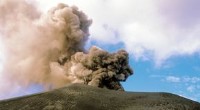
* Earthquakes and volcanoes: Geologists study the causes and patterns of these natural hazards, allowing us to develop early warning systems, build safer infrastructure, and better understand the risks in specific areas.
* Climate change: They analyze geological records to understand past climate changes and predict future impacts. This knowledge is crucial for informing climate policy and mitigation strategies.
* Landslides and erosion: Geologists assess the risks of these hazards, helping to prevent damage to infrastructure, protect lives, and manage land use effectively.
Environmental Protection:
* Soil and water quality: Geologists study the interaction between human activities and the environment, ensuring the sustainable use of natural resources and minimizing pollution.
* Waste disposal: They help design and monitor safe and effective methods for storing and disposing of hazardous waste, minimizing environmental risks.
* Sustainable land use: Geologists play a critical role in land-use planning, ensuring that development is compatible with the natural environment and resources.
Beyond these core areas, geologists have also made significant contributions in fields like:
* Space exploration: Understanding Earth's geology helps us analyze the geology of other planets and moons, informing our search for life beyond Earth.
* Archaeology: Geologists provide critical insights into the history of human civilizations and the environments they inhabited.
* Education and research: Geologists educate future generations about Earth science, fostering scientific literacy and promoting responsible stewardship of our planet.
In essence, the contributions of geologists are fundamental to our understanding of the Earth and its resources, our ability to mitigate natural hazards, and our capacity for sustainable development. Their work has a direct and lasting impact on society, improving our lives and shaping the future of our planet.