1. Volcanic Activity and Tectonic Setting:
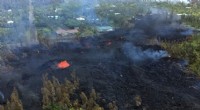
* Active Plate Boundary: The Philippines sits on the Pacific Ring of Fire, a zone of intense volcanic and seismic activity where the Eurasian and Philippine Sea Plates collide.
* Subduction Zones: The collision of these plates leads to the subduction of one beneath the other, creating deep trenches and releasing significant heat.
* Volcanic Arcs: This heat melts the surrounding rock, forming magma that rises to the surface, producing volcanic eruptions and associated mineral deposits.
2. Abundant Metalliferous Deposits:
* Copper, Gold, Silver, Nickel, and Chromite: Volcanic activity leads to the formation of porphyry copper deposits, often associated with gold and silver, and lateritic nickel deposits.
* Iron Ore: Sedimentary iron ore deposits are found in various locations, particularly in the central and southern Philippines.
3. Extensive Coal Resources:
* Bituminous Coal: Extensive coal deposits, primarily bituminous coal, are found in Luzon, the largest island in the Philippines.
4. Other Minerals:
* Marble, Limestone, and Granite: The Philippines also possesses significant deposits of marble, limestone, and granite, used in construction and other industries.
* Sand and Gravel: Abundant sand and gravel deposits are available for construction and other uses.
5. Geological History:
* Ancient Sedimentary Rocks: The Philippines' geological history includes extensive sedimentary rock formations, which have contributed to the formation of various mineral resources.
* Metamorphic Rocks: Metamorphism, the transformation of existing rocks due to heat and pressure, has also played a role in the formation of specific mineral deposits.
6. Exploration and Mining:
* Historical Mining: Mining has a long history in the Philippines, dating back to the Spanish colonial era.
* Modern Mining: Today, the Philippines is a significant mining nation, with a thriving industry focused on extracting various minerals.
Challenges and Concerns:
* Environmental Concerns: Mining activities can have significant environmental impacts, including deforestation, pollution, and habitat destruction.
* Social Issues: Mining often raises social concerns regarding land tenure, community displacement, and potential conflicts.
Overall, the Philippines' rich mineral deposits are a result of its unique geological setting, historical processes, and ongoing tectonic activity. While the country benefits from its mineral wealth, sustainable mining practices and responsible environmental management are crucial for balancing economic development with environmental protection.