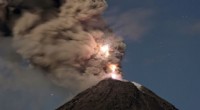
Volcanic Activity:
* Subduction Zones: When one plate slides beneath another (subduction), the descending plate melts, creating magma that rises to the surface and erupts as volcanoes. This is how the "Ring of Fire" around the Pacific Ocean is formed.
* Hotspots: These are plumes of hot magma rising from deep within the Earth's mantle. They can pierce through the crust and cause volcanic activity, often in the middle of tectonic plates.
Earthquakes:
* Fault Zones: The boundaries between tectonic plates are called fault zones. When the plates move past each other, they can cause sudden releases of energy as earthquakes. The location of these earthquakes depends on the type of plate boundary.
* Magnitude and Frequency: The size and frequency of earthquakes depend on the rate and type of plate movement. Faster and more forceful movements create more powerful earthquakes.
Mountain Building (Orogenesis):
* Continental Collisions: When two continental plates collide, the immense pressure causes the land to buckle, fold, and uplift, creating mountain ranges like the Himalayas.
* Subduction and Accretion: As oceanic plates subduct, they can scrape material off the overriding plate, creating accretionary wedges that build up over time. This contributes to the formation of coastal mountain ranges.
Other Effects:
* Tsunamis: Large earthquakes, especially those occurring beneath the ocean floor, can displace massive amounts of water, creating tsunamis that can travel thousands of kilometers.
* Seafloor Spreading: At divergent plate boundaries, where plates are moving apart, magma rises from the mantle and creates new oceanic crust, pushing existing crust further away.
* Changes in Landforms: Plate movement can cause gradual changes in landforms over long periods. This includes the formation of valleys, canyons, and plateaus.
It's important to note that these geological events are interconnected:
* Earthquakes can trigger volcanic eruptions.
* Volcanic eruptions can cause tsunamis.
* Mountain building can create new fault zones and lead to more earthquakes.
The Earth's tectonic plates are constantly in motion, shaping the planet's surface and creating a dynamic and ever-changing environment.