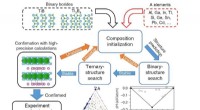
Major Elements:
* Oxygen (O): Found in most minerals, including oxides, silicates, carbonates, and sulfates.
* Silicon (Si): Forms the basis of silicate minerals, which are the most abundant group of minerals on Earth.
* Aluminum (Al): A major constituent of many silicate minerals, including feldspars and clays.
* Iron (Fe): Found in many minerals, including oxides, sulfides, and silicates.
* Calcium (Ca): A key element in carbonates, sulfates, and some silicates.
* Sodium (Na): Found in feldspars, halides, and some carbonates.
* Potassium (K): Found in feldspars, micas, and some salts.
* Magnesium (Mg): Present in silicates, carbonates, and some oxides.
Trace Elements:
* Gold (Au): Found in native gold and some sulfides.
* Silver (Ag): Found in native silver and some sulfides.
* Copper (Cu): Found in sulfides and some oxides.
* Zinc (Zn): Found in sulfides and some carbonates.
* Lead (Pb): Found in sulfides and some oxides.
* Manganese (Mn): Found in oxides, sulfides, and some silicates.
* Titanium (Ti): Found in oxides, sulfides, and some silicates.
* Chromium (Cr): Found in oxides and some silicates.
* Nickel (Ni): Found in sulfides and some oxides.
* Cobalt (Co): Found in sulfides and some oxides.
Note: This is not an exhaustive list, as there are many other elements that can be found in minerals, albeit in smaller quantities. The specific elements present in a mineral depend on its chemical composition and the geological conditions under which it formed.
Beyond elements, minerals can also contain:
* Water (H2O): Some minerals, like gypsum, can contain water molecules in their crystal structure.
* Gases: Minerals can also incorporate gases, such as carbon dioxide (CO2) or methane (CH4).
* Organic compounds: Some minerals, like coal, can contain organic compounds.
The composition of minerals is what gives them their unique properties and determines their uses in various industries.