1. Water Erosion:
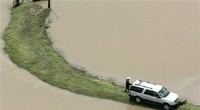
* Rivers and Streams: Carving valleys, creating canyons, and depositing sediments downstream.
* Rain: Splashing water erodes soil, especially on bare ground, leading to soil degradation and landslides.
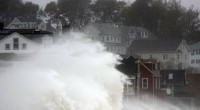
* Waves: Shaping coastlines, creating cliffs, and eroding beaches.
2. Wind Erosion:
* Deserts: Blowing sand and dust can create dunes, carve out rock formations, and cause dust storms.
* Coastal Areas: Wind carries sand and salt spray, eroding structures and vegetation.
* Agricultural Areas: Wind can blow away topsoil, reducing fertility and increasing soil erosion.
3. Glacial Erosion:
* Ice sheets and glaciers: Carving out valleys, creating fjords, and transporting huge amounts of sediment.
* Ice Age: Shaped many of Earth's landscapes, including mountains and lakes.
Effects of Erosion:
Positive:
* Nutrient Cycling: Erosion can transport nutrients from weathered rocks and soil to other areas, enriching ecosystems.
* Landform Creation: Erosion creates diverse landscapes, including canyons, valleys, and beaches.
* Sedimentation: Erosion deposits sediment in rivers, lakes, and oceans, forming fertile deltas and coastal plains.
Negative:
* Soil Degradation: Loss of topsoil reduces fertility, leading to reduced crop yields and desertification.
* Landslides: Erosion weakens slopes, increasing the risk of landslides and mudslides.
* Pollution: Erosion can transport pollutants like fertilizers and pesticides into waterways, harming aquatic life.
* Infrastructure Damage: Erosion can damage roads, bridges, and buildings.
* Coastal Erosion: Erosion of coastlines can threaten coastal communities and infrastructure.
Managing Erosion:
* Planting vegetation: Helps stabilize soil and reduce wind and water erosion.
* Terracing: Creating flat platforms on slopes to reduce water runoff and erosion.
* Contour farming: Planting crops along the contours of a slope to slow down water flow.
* No-till farming: Leaving crop residue on the surface to protect the soil from erosion.
* Coastal protection measures: Building seawalls, breakwaters, and other structures to protect coastlines from erosion.
Understanding and managing erosion is crucial for protecting the environment, maintaining agricultural productivity, and safeguarding human settlements.