However, the processes that involve magma are often discussed as part of the rock cycle. Magma is a key component in the formation of igneous rocks, which are one of the three main rock types (along with sedimentary and metamorphic rocks).
Here's how magma fits into the rock cycle:
* Formation of Magma: Magma forms deep within the Earth's crust or mantle due to the intense heat and pressure.
* Intrusive Igneous Rocks: When magma cools and solidifies beneath the Earth's surface, it forms intrusive igneous rocks.
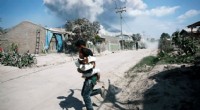
* Extrusive Igneous Rocks: When magma erupts onto the Earth's surface as lava, it cools and solidifies to form extrusive igneous rocks.
* Erosion and Weathering: Igneous rocks can be eroded and weathered into sediment.
* Sedimentary Rocks: Sediment can be transported and deposited to form sedimentary rocks.
* Metamorphic Rocks: Igneous, sedimentary, or other metamorphic rocks can be transformed into metamorphic rocks by intense heat and pressure.
* Melting: Metamorphic rocks can melt back into magma, starting the cycle again.
So, while there's no official name for the "magma cycle," it's an important part of the rock cycle that drives the creation and transformation of Earth's crust and mantle.