Reclamation is the process of restoring land that has been disturbed by mining activities back to a productive state. It's about healing the scars left behind by mining and making the land usable again for various purposes.
Here's what it does to mined land:
1. Remediation:
* Removing contaminants: Removing pollutants like heavy metals and acids from the soil and water.
* Stabilizing slopes: Preventing erosion and landslides by reshaping and stabilizing slopes.
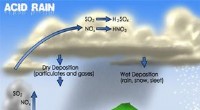
* Treating acidic water: Neutralizing acidic runoff to protect surrounding ecosystems.
2. Re-contouring:
* Reprofiling the land: Shaping the land to resemble its pre-mining state or a desired topography.
* Building terraces: Creating flat areas for agriculture or other uses.
* Filling in voids: Filling in open pits or abandoned mines to create a more level surface.
3. Re-vegetation:
* Planting native species: Re-establishing vegetation suitable for the local environment.
* Seeding and nurturing: Promoting growth and biodiversity.
* Controlling invasive species: Preventing non-native plants from dominating the area.
4. Re-use and Development:
* Creating new ecosystems: Transforming mined areas into wetlands, forests, or grasslands.
* Developing agricultural land: Returning the land to productive agricultural use.
* Building infrastructure: Constructing buildings, roads, or other infrastructure on reclaimed land.
Benefits of Reclamation:
* Environmental protection: Reducing pollution, mitigating erosion, and protecting water resources.
* Economic benefits: Re-using land for agriculture, forestry, or other industries.
* Social benefits: Enhancing local aesthetics, improving public health, and creating new job opportunities.
Types of Reclamation:
* Surface mining reclamation: Focusing on areas disturbed by surface mining.
* Underground mining reclamation: Addressing the impacts of underground mining, including subsidence.
* Mine waste reclamation: Managing and restoring areas containing mine waste.
Challenges:
* Cost: Reclamation can be expensive, requiring significant resources and expertise.
* Time: Reclamation takes time, and the success of the process depends on several factors.
* Complexity: Different mining sites require different reclamation strategies tailored to their specific conditions.
In conclusion, reclamation is essential for minimizing the environmental impact of mining and creating a more sustainable future. By restoring mined land, we can ensure its responsible use and contribute to a healthier planet.