Trench and mountain formation are closely linked, both resulting from the movement of tectonic plates. Here's a breakdown:
Trench Formation:
1. Convergent Plate Boundaries: Trenches occur at convergent plate boundaries, where two tectonic plates collide.
2. Subduction: The denser plate (usually oceanic) subducts beneath the less dense plate (either oceanic or continental).
3. Downward Pull: The subducting plate is pulled downwards by gravity into the Earth's mantle.
4. Deformation: The descending plate bends and deforms, creating a deep, narrow trench in the ocean floor.
Mountain Formation:
1. Collision: At convergent boundaries, when two continental plates collide, neither can subduct because they have similar density.
2. Crustal Thickening: The plates crumple, fold, and uplift due to immense pressure, thickening the Earth's crust.
3. Mountain Range Formation: These uplifted areas create mountain ranges.
Examples:
* The Mariana Trench: The deepest trench in the world, formed by the subduction of the Pacific plate beneath the Philippine plate.
* The Himalayas: The tallest mountain range, formed by the collision of the Indian and Eurasian plates.
Additional Notes:
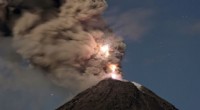
* Volcanic Arcs: Often, volcanic arcs form parallel to trenches as magma rises from the subducting plate, leading to volcanic activity.
* Oceanic-Continental Subduction: When an oceanic plate subducts beneath a continental plate, the resulting volcanic arcs are often found inland, away from the trench.
* Oceanic-Oceanic Subduction: When two oceanic plates collide, the older, denser plate subducts, creating island arcs.
In Summary:
Both trenches and mountains are formed at convergent plate boundaries due to the interaction and collision of tectonic plates. Trenches are created by the downward pull of a subducting plate, while mountains are formed by the collision and uplifting of continental plates.