There are two main categories of igneous rocks:
1. Intrusive (or Plutonic) Rocks: These rocks form when magma cools and crystallizes slowly beneath the Earth's surface. They typically have larger crystals and a more coarse-grained texture. Some examples include:
* Granite: A light-colored rock with high silica content, often found in mountain ranges.
* Diorite: A medium-gray rock with a mix of minerals, including feldspar and hornblende.
* Gabbro: A dark-colored rock with a high content of pyroxene and plagioclase feldspar, found in oceanic crust.
* Peridotite: A very dense, dark-colored rock composed mostly of olivine, found in the Earth's mantle.
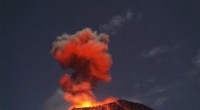
2. Extrusive (or Volcanic) Rocks: These rocks form when lava cools and solidifies on the Earth's surface. They tend to have smaller crystals and a finer-grained texture. Some examples include:
* Rhyolite: A light-colored, glassy rock with high silica content, often associated with explosive volcanic eruptions.
* Andesite: A medium-gray rock with a mix of minerals, including feldspar and hornblende, often found in volcanic arcs.
* Basalt: A dark-colored, fine-grained rock with high content of pyroxene and plagioclase feldspar, common in oceanic crust and volcanic plateaus.
* Scoria: A porous, vesicular rock formed from lava with trapped gas bubbles.
These are just a few of the many types of igneous rocks. Their specific characteristics depend on their mineral composition, cooling rate, and other factors.
It's important to note that the terms "magma rocks" and "lava rocks" are not standard geological terms. The correct term for rocks formed from magma or lava is igneous rocks.