Here's a breakdown of why erosion is the key player:
* Water Erosion: Running water is the most significant force in canyon formation. Rivers and streams carve out the landscape over vast periods, wearing away rock and soil. This process is called hydraulic action, where the sheer force of water breaks apart rock, and abrasion, where sediment carried by the water acts like sandpaper, grinding away the canyon walls.
* Glacial Erosion: In mountainous regions, glaciers also play a crucial role. As glaciers move, they act like giant bulldozers, carving out valleys and canyons. This is often seen in U-shaped valleys, a characteristic feature of glacial erosion.
* Wind Erosion: While less impactful than water and glaciers, wind can also contribute to canyon formation. Strong winds carrying sand and dust can gradually wear down rock surfaces, especially in arid regions.
* Chemical Weathering: This process involves the breakdown of rock due to chemical reactions. Rainwater can be slightly acidic, which can dissolve certain types of rock over time.
The importance of time: It's crucial to remember that canyon formation is a very slow process. It takes thousands, even millions of years for these dramatic landforms to develop.
Other Factors:
* Geological formations: The type of rock present (sedimentary, metamorphic, igneous) significantly impacts how easily it erodes.
* Climate: Rainfall patterns, temperature variations, and the presence of glaciers all influence erosion rates.
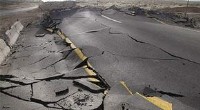
* Tectonic activity: Earthquakes and other tectonic movements can create fault lines and uplift land, providing the initial elevation that water and ice can then erode.
In summary: While several factors contribute, erosion is the primary force driving the formation of canyons. The specific type of erosion (water, glacial, or wind) depends on the geological and climatic context.