1. The Nature of Geological Time:
* Immense Scale: Geological processes operate over millions and billions of years. This vast timescale allows for seemingly improbable events to occur.
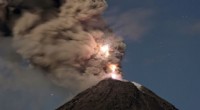
* Randomness and Uncertainty: Geological events are often influenced by chance occurrences. These include the impact of asteroids, volcanic eruptions, and tectonic plate movements, which can have significant and unpredictable consequences.
2. The Role of Chance in Geological Events:
* Plate Tectonics: The movement of tectonic plates is influenced by the random distribution of heat within the Earth's mantle. This randomness leads to unpredictable changes in plate boundaries, causing earthquakes, volcanic activity, and mountain formation.
* Natural Disasters: Natural disasters like meteor impacts, floods, and landslides are often triggered by chance events. The timing and location of these events are unpredictable, and their effects can drastically alter landscapes.
* Evolution of Life: The evolution of life is influenced by chance events, such as mutations and environmental changes. These random occurrences can lead to the emergence of new species and the extinction of others.
3. Understanding Probability and Statistics:
* Statistical Analysis: Understanding the probability of certain geological events is crucial. Statistical analysis helps us assess the likelihood of events occurring, making predictions about future events.
* Risk Assessment: By understanding the probability of geological hazards, we can better assess the risk they pose to human populations and infrastructure.
4. The Importance of Observation and Data Collection:
* Geological Records: By studying geological records, including fossils, rock formations, and sedimentary deposits, we can reconstruct past events and understand the patterns and processes that shaped the Earth's history.
* Monitoring and Prediction: Continuous monitoring of geological activity, such as earthquakes and volcanic eruptions, allows us to identify potential hazards and develop early warning systems.
In essence, understanding geological chance requires a combination of understanding the vastness of geological time, the role of chance in geological processes, the tools of probability and statistics, and the importance of observation and data collection.
It is essential to remember that while we can use these tools to better understand and predict geological events, the inherently random nature of these events means that absolute certainty is impossible.