The Process:
* Soft Rock Formations: Karst topography typically forms in areas with soluble rocks like limestone, dolomite, or gypsum. These rocks are easily dissolved by acidic groundwater.
* Flowing Groundwater: Rainwater, slightly acidic due to dissolved CO2, percolates through the ground, forming groundwater. This acidic water flows through cracks and fissures in the soluble rocks.
* Dissolution: The acidic groundwater dissolves the rock, gradually creating cavities, tunnels, and larger underground spaces. Over time, these spaces can expand significantly.
Resulting Landforms:
1. Caves and Caverns: The most obvious feature of karst landscapes. Large underground spaces are carved out, often featuring impressive formations like stalactites and stalagmites.
2. Sinkholes: When the roof of an underground cavity collapses, a sinkhole forms on the surface. Sinkholes can range in size from small depressions to large craters.
3. Disappearing Streams: Streams often flow into sinkholes or disappear underground as they enter the karst system. These are known as "sinks" or "swallow holes."
4. Springs: Groundwater that emerges from the karst system can form springs at the surface. These springs are often significant sources of water.
5. Karst Valleys: Erosion by groundwater can create valleys and canyons with steep slopes, sometimes resembling a "maze" due to the intertwining of sinkholes and underground channels.
6. Karst Towers: In some areas, resistant rock formations remain as isolated pillars or towers surrounded by dissolved landscapes.
Examples of Karst Landscapes:
* Mammoth Cave National Park, Kentucky, USA: Famous for its extensive cave system.
* The Yucatán Peninsula, Mexico: Home to numerous sinkholes, known as cenotes, and underground rivers.
* The Karst Region of Slovenia: Known for its diverse karst features, including caves, sinkholes, and springs.
Implications:
Karst landscapes are fascinating, but they also present challenges:
* Groundwater Contamination: Since water easily flows through karst systems, pollution can spread rapidly, affecting drinking water sources.
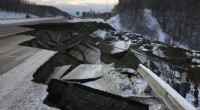
* Sinkholes and Subsidence: The collapse of underground cavities can damage infrastructure and pose risks to buildings and roads.
* Natural Hazards: Flooding and erosion can be exacerbated by karst topography, making it important to consider these factors in development and infrastructure planning.
Understanding how karst topography forms and its associated features is crucial for managing resources, mitigating risks, and appreciating the unique beauty of these landscapes.