1. The Journey Begins: From Lava to Solid Rock
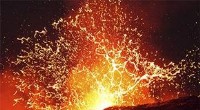
* Extrusive igneous rocks form when molten rock (magma) erupts onto the Earth's surface as lava and cools and solidifies relatively quickly. Examples include basalt, rhyolite, and andesite.
2. Deep Burial and Pressure
* Subduction: Extrusive rocks can be buried under layers of sediment or other rocks through tectonic plate movement (subduction). This burial puts them under immense pressure.
* Mountain Building: The collision of tectonic plates can uplift mountains, leading to the burial of rocks.
* Volcanic Eruptions: Even lava flows that cool on the surface can be buried under subsequent eruptions, creating layers of rock.
3. The Heat of Transformation
* Geothermal Gradient: As rocks are buried deeper, they are exposed to increasing temperatures due to the Earth's internal heat.
* Magma Intrusions: The presence of magma bodies (intrusions) nearby also provides a source of heat.
4. The Metamorphic Process
* Recrystallization: The heat and pressure cause the minerals in the igneous rock to become unstable and rearrange themselves. This is known as recrystallization.
* New Mineral Formation: New minerals may form from the existing minerals due to the chemical reactions prompted by the heat and pressure.
* Texture Changes: The rock's texture can change significantly. It may become more compact, foliated (layered), or have a different grain size.
Examples of Metamorphic Rocks from Extrusive Igneous Rocks:
* Basalt (extrusive igneous) can transform into:
* Schist: A foliated metamorphic rock with a platy texture.
* Amphibolite: A metamorphic rock with amphibole minerals.
* Rhyolite (extrusive igneous) can transform into:
* Gneiss: A banded metamorphic rock with alternating layers of minerals.
* Quartzite: A hard metamorphic rock derived from quartz-rich sandstone.
Key Points:
* Heat and Pressure: The key drivers of the metamorphic process are heat and pressure.
* Time: Metamorphism is a slow process that can take millions of years.
* Mineral Changes: The original mineral composition of the igneous rock is altered during metamorphism.
Let me know if you'd like more details about specific types of metamorphic rocks or the process of metamorphism!