Here's why Vertisols are so prevalent:
* Climate: Texas experiences a semi-arid climate with hot summers and occasional heavy rainfall. These conditions promote the formation of Vertisols.
* Parent Material: The underlying bedrock in many parts of Texas is rich in clay, a key ingredient in Vertisols.
* Weathering: The combination of heat, rain, and time causes the clay minerals to expand and contract, creating the unique characteristics of Vertisols.
Key Characteristics of Vertisols:
* High Clay Content: Vertisols contain a high percentage of clay, making them very sticky and dense when wet.
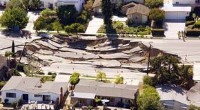
* Expansive and Contractive: They expand significantly when wet and shrink dramatically when dry, leading to deep cracks and fissures.
* Poor Drainage: The dense clay content hinders water infiltration, making drainage slow.
* Rich in Nutrients: Vertisols are often fertile due to the breakdown of organic matter.
Other Common Soil Types in Texas:
While Vertisols are the most widespread, other common soil types in Texas include:
* Aridisols: These are dry soils found in the western part of the state.
* Mollisols: These are fertile soils found in the central and northern parts of Texas.
* Alfisols: These are moderately fertile soils found in the eastern part of the state.
The distribution and prevalence of these soil types vary across the state, influenced by factors like climate, topography, and parent material.