Here's a breakdown of the key features:
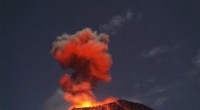
Global Warming: The Permian saw a significant increase in global temperatures, likely due to volcanic activity and increased greenhouse gas emissions. This led to a hot and arid environment in many parts of the world.
Pangea: The continents were clustered together in a supercontinent called Pangea, creating vast interiors far from the moderating influence of oceans. This resulted in extreme temperature fluctuations between day and night and between seasons.
Deserts: Many areas experienced extremely arid conditions, forming extensive deserts. These deserts were characterized by high evaporation rates and sparse vegetation.
Seasonal Rainfall: While overall rainfall was low, some regions did receive seasonal rains that created temporary water sources. This led to the development of unique ecosystems adapted to these cyclical wet and dry periods.
Polar Ice Caps: Despite the global warming trend, polar ice caps still existed, although they were likely smaller than in previous periods.
The End-Permian Extinction: The Permian period ended with the largest mass extinction event in Earth's history, which significantly altered the climate and wiped out a vast majority of species. This event was likely triggered by a combination of factors, including volcanic eruptions, climate change, and ocean acidification.
Overall, the Permian climate was characterized by:
* High global temperatures
* Arid conditions
* Extensive deserts
* Seasonal rainfall
* Limited polar ice caps
This unique combination of factors shaped the evolution of life during this period, leading to the development of diverse and resilient species adapted to extreme conditions.