Weathering:
* Wind Erosion: The High Plains are exposed to strong winds, especially during dry periods. Wind abrasion, the process of sand and dust particles hitting and wearing away rock surfaces, has sculpted the landscape, creating features like buttes, mesas, and canyons.
* Thermal Weathering: The drastic temperature swings between hot days and cold nights cause rocks to expand and contract, weakening them over time. This process contributes to the breakdown of rocks and creates loose sediment.
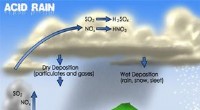
* Chemical Weathering: Although less pronounced than in wetter climates, chemical weathering, such as the dissolving of limestone by rainwater, can still play a role in shaping the landscape.
Erosion:
* Wind Erosion: Wind carries away weathered rock fragments, transporting them across the plains. This process creates a characteristically dusty landscape and contributes to the formation of sand dunes.
* Water Erosion: While the High Plains are relatively dry, occasional heavy rainfall can carve gullies and canyons, especially in areas with softer rock formations.
* Glacial Erosion: The High Plains were once covered by glaciers during the Pleistocene Epoch. These glaciers scoured the landscape, leaving behind evidence of their presence in the form of glacial till and striations.
Deposition:
* Wind Deposition: Wind-blown sediment is deposited in various locations, forming sand dunes, loess deposits (fine, windblown silt), and the distinctive caprock formations that are characteristic of the High Plains.
* Water Deposition: During periods of heavier rainfall, water carries sediments and deposits them in valleys and depressions, creating alluvial fans and floodplains.
* Glacial Deposition: As glaciers retreated, they left behind a blanket of glacial till, a mixture of rocks and soil. This till has provided fertile ground for agriculture in many parts of the High Plains.
Effects on the High Plains:
* Landform Formation: These processes have created the iconic flatness of the High Plains, with occasional mesas, buttes, canyons, and dunes adding variety to the landscape.
* Soil Formation: The deposition of loess and glacial till has created fertile soils that support agriculture, making the High Plains a major agricultural region.
* Water Resources: The deposition of sediment in valleys has created important aquifers, providing a crucial water source for human use and agriculture.
* Erosion Problems: While erosion has sculpted the landscape, it can also be a problem, causing soil loss and land degradation, especially during periods of drought or intense rainfall.
In conclusion, the High Plains of Texas are a testament to the powerful forces of weathering, erosion, and deposition. These processes have shaped the landscape, created fertile soils, and provided valuable resources, but also present challenges related to soil erosion and water management.