Here's a more detailed explanation:
* Density Differences: Oceanic crust is primarily composed of basalt, a denser rock than the granite that makes up continental crust. This density difference is due to the different minerals present in each type of crust.
* Plate Tectonics: The Earth's surface is made up of tectonic plates that constantly move and interact. When an oceanic plate collides with a continental plate, the denser oceanic plate is forced to bend and slide beneath the continental plate. This process is called subduction.
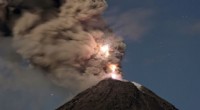
* Subduction Zones: The area where the oceanic plate dives beneath the continental plate is known as a subduction zone. Subduction zones are characterized by earthquakes, volcanic activity, and mountain formation.
Here's a simple analogy: Imagine trying to push a small, heavy rock (oceanic crust) under a larger, lighter rock (continental crust). The heavier rock will naturally sink below the lighter one. The same principle applies to tectonic plates.