Here's why it's difficult to define and some areas that are considered highly unstable:
Factors Contributing to Instability:
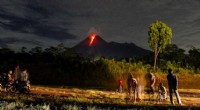
* Volcanic activity: Areas with active volcanoes are inherently unstable, prone to eruptions, lava flows, and ashfall.
* Earthquake activity: Plate boundaries, especially those with convergent or transform movements, experience frequent earthquakes, causing landslides, tsunamis, and ground deformation.
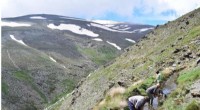
* Tectonic uplift and erosion: Rapidly rising mountain ranges are subject to significant erosion, leading to landslides, debris flows, and unstable slopes.
* Climate change: Melting glaciers, rising sea levels, and extreme weather events can destabilize coastal areas and slopes.
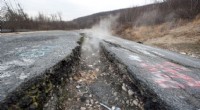
* Human activities: Mining, deforestation, and infrastructure development can disrupt natural stability and lead to sinkholes, landslides, and other hazards.
Examples of Highly Unstable Regions:
* The Ring of Fire: This area surrounding the Pacific Ocean is home to numerous volcanoes and active fault lines, making it a hotspot for seismic and volcanic activity.
* The Himalayas: The rapid uplift of this mountain range creates instability, leading to frequent landslides, avalanches, and glacial lake outburst floods.
* California: The San Andreas Fault, a major transform fault, is prone to powerful earthquakes, putting California at risk for seismic hazards.
* Iceland: Located on a volcanic hotspot, Iceland experiences frequent volcanic eruptions and geothermal activity, leading to unpredictable ground movements.
* The Indonesian Archipelago: This region is characterized by volcanic activity, earthquake zones, and tsunamis, posing significant geological challenges.
Conclusion:
Instead of focusing on a single "most unstable" place, it's more important to understand the specific geological hazards and risks in different regions. By studying these hazards, we can better prepare for and mitigate the potential impacts of geological instability.