1. Earthquakes:
* Convergent Plate Boundaries: Where plates collide, immense pressure builds up, leading to earthquakes. The most powerful earthquakes often occur at subduction zones where one plate slides beneath another.
* Transform Plate Boundaries: Where plates slide past each other horizontally, friction can cause earthquakes. The San Andreas Fault in California is a prime example.
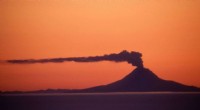
2. Volcanic Eruptions:
* Convergent Plate Boundaries: Subduction zones often trigger volcanic activity. As one plate descends, it melts, producing magma that rises to the surface.
* Divergent Plate Boundaries: Where plates move apart, magma rises to fill the gap, creating volcanic ridges and islands.
3. Tsunamis:
* Caused by Earthquakes: Large underwater earthquakes can displace huge amounts of water, generating tsunamis that can travel thousands of kilometers across oceans.
* Caused by Volcanic Eruptions: Some volcanic eruptions, especially those occurring underwater, can also trigger tsunamis.
4. Landslides:
* Caused by Earthquakes: Strong earthquakes can trigger landslides, especially on steep slopes.
* Caused by Volcanic Eruptions: Volcanic eruptions can destabilize slopes, leading to landslides.
5. Coastal Erosion:
* Caused by Plate Movements: The movement of tectonic plates can cause changes in sea level and alter coastlines.
6. Mountain Building:
* Convergent Plate Boundaries: When plates collide, the pressure can cause mountains to rise.
These are just some of the natural disasters that can occur along the edges of tectonic plates. The specific hazards will vary depending on the type of plate boundary and the geological context.