1. Elevation and Temperature:
* Higher Altitude, Lower Temperature: The most fundamental effect. As altitude increases, air pressure decreases, leading to less air molecules to absorb and radiate heat. This results in a general decrease in temperature by about 3.5 degrees Fahrenheit for every 1000 feet of elevation gain.
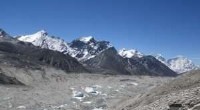
* Mountain Ranges as Barriers: Mountain ranges often act as barriers, preventing warm air from reaching one side and blocking cold air from flowing to the other side. This creates distinct microclimates on either side.
2. Rain Shadow Effect:
* Windward Side: As moist air rises up the windward side of a mountain, it cools, condenses, and forms clouds. This results in precipitation, leaving the air drier and warmer.
* Leeward Side: The now dry air flows down the leeward side, creating a rain shadow. This area tends to be drier and warmer compared to the windward side.
3. Albedo:
* Snow and Ice Cover: Snow and ice have a high albedo, reflecting more sunlight back into space. This keeps mountain regions cooler than lower-elevation areas, especially during summer.
4. Mountain Glaciers:
* Cooling Effect: Glaciers act as large ice reservoirs, reflecting sunlight and releasing cold air. This helps regulate local temperatures.
5. Topography and Airflow:
* Valleys and Canyons: Valleys and canyons often trap cold air during the winter, leading to colder temperatures.
* Mountain Passes: Mountain passes can act as channels for winds, bringing in cooler air from higher elevations or warmer air from lower elevations, depending on the direction of the wind.
In summary:
Mountains create unique microclimates, impacting temperature through elevation, the rain shadow effect, albedo, glaciers, and topographic features. These influences contribute to diverse ecosystems and varying temperatures within mountainous regions.