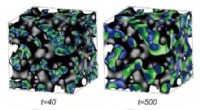
1. Recrystallization:
* Heat: The heat causes the minerals within the sedimentary rock to become unstable and rearrange their atomic structures. This process, known as recrystallization, leads to the formation of new, larger, and more stable minerals.
* Pressure: Pressure also contributes to recrystallization by forcing the mineral grains closer together, effectively squeezing out any spaces between them. This increases the density of the rock.
2. Mineral Changes:
* New Minerals: Heat and pressure can transform existing minerals into new, more stable ones. For example, clay minerals in shale can transform into mica or chlorite.
* Texture: The pressure can cause the rock to become foliated, meaning it develops layers or bands. This is due to the alignment of minerals under stress.
3. Types of Metamorphic Rocks:
Depending on the intensity of heat and pressure, different types of metamorphic rocks can form:
* Low-grade Metamorphism: Results in minor changes to the sedimentary rock, such as the formation of new minerals with similar compositions. Examples include slate and phyllite.
* High-grade Metamorphism: Involves more intense heat and pressure, leading to significant changes in the rock's composition and texture. Examples include schist and gneiss.
4. Other Factors:
* Time: Metamorphism is a slow process that can take millions of years.
* Fluids: The presence of fluids, such as water, can enhance the rate of chemical reactions and mineral transformations during metamorphism.
In summary:
Applying heat and pressure to sedimentary rock can transform it into metamorphic rock. This process involves recrystallization, mineral changes, and the development of new textures. The intensity of heat and pressure determines the type of metamorphic rock that forms.