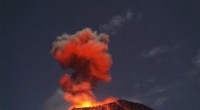
1. Volcanic Mountains: These are the most obvious. They form when molten rock (magma) erupts from the Earth's interior, building up over time to create a cone-shaped mountain. Examples include Mount Fuji in Japan and Mount Kilimanjaro in Tanzania.
2. Fold Mountains: These form when tectonic plates collide and push against each other. The pressure causes the Earth's crust to fold and buckle, forming mountains. The Himalayas and the Alps are examples of fold mountains.
3. Fault-Block Mountains: These form when blocks of the Earth's crust are uplifted or dropped along faults. This can create steep, block-like mountains with flat tops. The Sierra Nevada Mountains in California are an example.
4. Dome Mountains: These form when magma rises beneath the Earth's surface, but doesn't erupt. The pressure causes the overlying rock to bulge upward, creating a dome-shaped mountain. The Black Hills of South Dakota are an example.
5. Erosion: Mountains can also be formed by erosion, where wind and water wear away softer rock, leaving behind harder rock that forms a mountain. The mesas and buttes of the American Southwest are examples.
In conclusion: Many mountains are volcanic, but there are many other geological processes that create mountains. It's important to remember that Earth is a dynamic planet with a complex history, and mountains are just one aspect of that story.