1. Continental Drift and Ocean Currents:
* Formation of continents: Plate movements create and break up continents, influencing ocean currents and atmospheric circulation. For example, the formation of the Isthmus of Panama around 3 million years ago drastically changed ocean currents, leading to the cooling of the Northern Hemisphere and the onset of the Quaternary ice ages.
* Ocean currents: Plate movements influence the shapes and depths of ocean basins, affecting the paths of ocean currents. These currents transport heat and moisture around the globe, playing a crucial role in distributing energy and regulating climate.
2. Mountain Building and Orographic Rainfall:
* Mountain ranges: Collision of tectonic plates creates mountain ranges. These mountains act as barriers to wind and moisture, forcing air to rise and cool, leading to orographic rainfall. This phenomenon influences regional climates, creating distinct wet and dry regions.
* Changes in atmospheric circulation: Mountain ranges also impact atmospheric circulation patterns, affecting global weather patterns. The Himalayas, for instance, act as a barrier to the monsoon winds, influencing the precipitation patterns of South Asia.
3. Volcanic Activity and Atmospheric Composition:
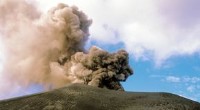
* Volcanic eruptions: Volcanic eruptions release large amounts of greenhouse gases like carbon dioxide (CO2) and sulfur dioxide (SO2) into the atmosphere. These gases can impact global temperatures:
* CO2: Acts as a greenhouse gas, trapping heat and potentially leading to warming.
* SO2: Forms aerosols that reflect sunlight back into space, potentially leading to cooling.
* Volcanic activity and long-term climate change: The release of greenhouse gases from volcanic activity over millions of years has played a role in shaping Earth's climate history.
4. Seafloor Spreading and Carbon Cycle:
* Mid-ocean ridges: Seafloor spreading at mid-ocean ridges releases carbon dioxide from the Earth's mantle. This process contributes to the long-term carbon cycle, influencing the levels of atmospheric CO2 and impacting global temperatures.
* Subduction zones: Conversely, subduction zones, where one plate dives beneath another, can absorb carbon dioxide from the atmosphere and store it in the Earth's mantle.
In summary, tectonic plate movements have a significant influence on climate through:
* Continental drift and ocean currents: Altering ocean circulation patterns and heat distribution.
* Mountain building: Creating orographic rainfall and influencing atmospheric circulation.
* Volcanic activity: Releasing greenhouse gases and influencing global temperatures.
* Seafloor spreading: Contributing to the carbon cycle and long-term climate change.
Understanding these connections helps us comprehend the complex interplay between Earth's tectonic processes and its climate history. It also sheds light on the potential impacts of ongoing plate movements on future climate scenarios.