1. Subduction: Oceanic plates are denser than continental plates and are constantly moving. When they collide with continental plates, the denser oceanic plate is forced beneath the continental plate in a process called subduction.
2. Dehydration and Melting: As the oceanic plate descends, it is subjected to increasing pressure and temperature. The minerals within the plate, particularly those containing water (like hydrous minerals), start to release water. This water acts as a flux, lowering the melting point of the surrounding mantle rocks. This causes partial melting in the mantle wedge above the subducting plate.
3. Magma Composition: The composition of the resulting magma depends on the composition of the source rock and the amount of melting. Since oceanic crust is rich in silica, the magma generated from its partial melting will also be relatively silica-rich. This magma is usually classified as basaltic, characterized by a relatively low silica content (around 50%). However, the presence of water from the subducted plate can lead to the formation of more silica-rich magmas, like andesite (around 60% silica) and dacite (around 65% silica).
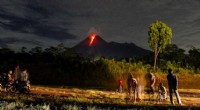
4. Eruption and Formation of New Crust: This magma rises through the overlying crust and often erupts at the surface, forming volcanic arcs like the Andes Mountains. The solidified magma forms new oceanic crust, replacing the subducted crust and continuing the cycle.
In summary:
* The silica content of the oceanic crust doesn't directly create magma.
* The oceanic crust's silica content is a factor in the composition of the magma generated by its partial melting during subduction.
* The presence of water released from the subducted plate significantly influences the melting process and can lead to the formation of more silica-rich magmas.
This is a simplified explanation, but it highlights the key role silica plays in the process of magma generation at subduction zones.