Naturally Occurring Rock Formations:
* Origin: Formed through geological processes over millions of years, often involving:
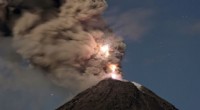
* Magma/Lava cooling and solidifying: Creates igneous rocks like granite or basalt.
* Sedimentation and compaction: Forms sedimentary rocks like sandstone or limestone.
* Metamorphosis: Existing rocks transformed by heat and pressure, resulting in metamorphic rocks like marble or slate.
* Formation: Natural processes like erosion, weathering, tectonic shifts, and volcanic activity play a role.
* Examples: Mountains, canyons, caves, cliffs, rock arches, glaciers, stalactites/stalagmites.
Man-Made Rock Formations:
* Origin: Created by human intervention, usually using existing rocks or minerals.
* Formation: Processes involve:
* Extraction and shaping: Quarried rocks are cut, shaped, and assembled for construction, like building stones.
* Artificial aggregation: Concrete, a man-made rock, is formed by mixing cement, sand, and gravel.
* Sculpting: Artists may create rock formations for artistic purposes, like sculptures or rock gardens.
* Examples: Buildings, bridges, statues, monuments, walls, retaining walls, paved roads, concrete structures, rock gardens.
Here's a table summarizing the differences:
| Feature | Naturally Occurring | Man-Made |
|---|---|---|
| Origin | Geological processes | Human intervention |
| Formation | Natural forces | Human activities |
| Time scale | Millions of years | Days to decades |
| Durability | Highly durable | Variable depending on materials and construction |
| Examples | Mountains, canyons, caves | Buildings, statues, concrete structures |
In essence: Naturally occurring rock formations are the result of Earth's long and complex history, while man-made rock formations are products of human ingenuity and engineering.