Here's a breakdown:
* Tectonic Plates: The Earth's outermost layer, the lithosphere, is broken into large, moving pieces called tectonic plates.
* Asthenosphere: This is a layer of the Earth's mantle below the lithosphere. It's hot and partially molten, making it more malleable than the rigid lithosphere.
* Subduction: When two tectonic plates collide, the denser plate (usually an oceanic plate) is forced to slide beneath the less dense plate (either continental or oceanic). This process of one plate sinking beneath another is called subduction.
Key points about subduction:
* Gravity is the driving force: The denser plate is pulled downwards by gravity, sinking into the asthenosphere.
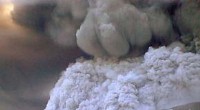
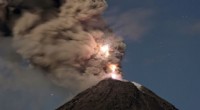
* Volcanoes and Earthquakes: Subduction zones are associated with intense volcanic activity and earthquakes. The sinking plate melts as it descends, creating magma that rises to the surface and forms volcanoes. The friction between the plates also causes earthquakes.
* Ocean trenches: The area where the plates meet is often marked by a deep trench in the ocean floor.
* Continental growth: Subduction can also contribute to the growth of continents. As the subducting plate melts, it releases materials that can be uplifted and added to the continental crust.
Let me know if you have any further questions about this process!