Here's a breakdown:
1. Weathering: This is the process where rocks are broken down into smaller pieces. There are two main types of weathering:
* Physical weathering: This involves the mechanical breakdown of rocks without changing their chemical composition. Examples include:
* Frost wedging: Water seeps into cracks in rocks, freezes, expands, and widens the cracks.
* Thermal expansion and contraction: Rocks expand when heated and contract when cooled. This repeated expansion and contraction can cause rocks to crack and break.
* Abrasion: Rocks rub against each other, grinding them down into smaller pieces.
* Chemical weathering: This involves the breakdown of rocks through chemical reactions. Examples include:
* Oxidation: Iron in rocks reacts with oxygen, forming iron oxide (rust), which weakens the rock.
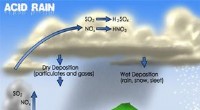
* Dissolution: Acids in rainwater dissolve certain minerals in rocks.
* Hydrolysis: Water reacts with minerals in rocks, breaking them down into new minerals.
2. Erosion: This is the process where weathered rock fragments are transported away from their original location. The most common agents of erosion are:
* Water: Rain, rivers, and waves carry away sediment.
* Wind: Wind can pick up and transport sand, dust, and other small particles.
* Ice: Glaciers can pick up and transport large boulders and other debris.
* Gravity: Gravity can cause rocks to fall and roll downhill, breaking them into smaller pieces.
3. Deposition: As the agents of erosion lose energy, they deposit the sediment they have been carrying. This can happen in a variety of locations, such as riverbeds, lake bottoms, and ocean floors.
The result of weathering and erosion is the formation of sediment, which is the building block of sedimentary rocks.