Landforms:
* Mountains: The collision of tectonic plates can create mountains, such as the Himalayas formed by the collision of the Indian and Eurasian plates.
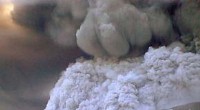
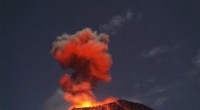
* Volcanoes: Volcanoes often form at plate boundaries, where magma rises to the surface. Subduction zones, where one plate slides beneath another, are particularly prone to volcanic activity.
* Earthquakes: Most earthquakes occur at plate boundaries where the plates are moving past each other. The San Andreas Fault in California is a prime example of a transform boundary where earthquakes are common.
* Ocean Trenches: Deep trenches in the ocean floor are formed where one plate subducts beneath another.
* Mid-Ocean Ridges: These underwater mountain ranges are formed at divergent plate boundaries where new crust is being created.
Other Features:
* Distribution of Continents and Oceans: The movement of tectonic plates over millions of years has shaped the continents and oceans we see today.
* Distribution of Mineral Resources: The formation of certain mineral deposits is linked to tectonic processes. For example, gold and copper deposits often form near plate boundaries.
* Fossil Distribution: The theory of plate tectonics explains the distribution of fossils across the globe, even when the continents appear to be far apart now.
* Climate Patterns: Plate movements influence ocean currents and wind patterns, which in turn affect climate.
In short, plate tectonics provides a unifying framework for understanding many of the major geological features on Earth.