* Erosion: This is the gradual wearing away of rock and soil by wind, water, and ice. Wind can carry away small particles of rock, while water can carve out canyons and valleys. Glaciers can scour the landscape, carving out valleys and leaving behind distinctive U-shaped valleys.
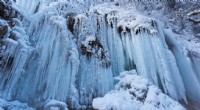
* Weathering: This is the breakdown of rock by physical and chemical processes. Physical weathering can occur due to temperature changes, freezing and thawing of water, or the growth of plant roots. Chemical weathering occurs when rocks react with water, oxygen, or acids.
* Tectonic activity: This is the movement of Earth's tectonic plates. Mountains are often formed by the collision of tectonic plates, but they can also be reshaped by these movements. For example, the uplift of a mountain range can cause erosion and weathering to accelerate, changing its shape.
* Volcanic activity: Volcanic eruptions can add new material to mountains, but they can also erode existing rock. For example, the eruption of a volcano can create a new mountain, but it can also cause the collapse of an existing one.
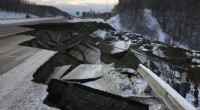
* Gravity: Even gravity can play a role in changing the shape of mountains over time. The force of gravity can cause rock to slide downhill, creating landslides and contributing to erosion.
These processes can act independently or in combination, slowly but steadily changing the shape of mountains over millions of years.