Sedimentary Rocks:
* Formation: Sedimentary rocks are formed from the accumulation and cementation of sediments, such as sand, silt, clay, and organic matter. These sediments are derived from the weathering and erosion of existing rocks, and they are often deposited in layers at the bottom of oceans, lakes, or rivers.
* Preservation: The process of fossilization occurs within these layers of sediment. As layers accumulate, the weight and pressure of the overlying sediments compact and solidify the lower layers. This process, along with the presence of minerals dissolved in groundwater, can preserve the remains of organisms, turning them into fossils.
* Favorable Conditions: The gradual accumulation of sediment and the relatively low temperatures and pressures within sedimentary environments are ideal for preserving the delicate structures of organisms.
Igneous Rocks:
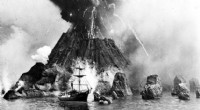
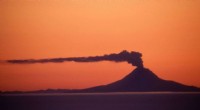
* Formation: Igneous rocks are formed from the cooling and solidification of molten rock (magma or lava). This process occurs at extremely high temperatures and involves the complete melting and re-crystallization of existing rocks.
* Destruction: The intense heat and pressure involved in igneous rock formation would completely destroy any existing organic matter, including fossils. The heat would incinerate any biological remains, and the pressure would crush and deform them beyond recognition.
In summary:
Sedimentary rocks provide the ideal conditions for fossilization because they form through slow, gradual processes at relatively low temperatures and pressures. Igneous rocks, on the other hand, are formed under extreme heat and pressure, which would completely destroy any existing fossils.