* Immense size and weight: Glaciers can be miles thick and weigh millions of tons, exerting immense pressure on the land beneath.
* Abrasive power: As glaciers move, they carry rocks and debris that grind and scour the bedrock, carving out valleys and creating distinct landscapes.
* Plucking: Glaciers can freeze to bedrock and then pull away, breaking off pieces of rock.
* Long-term impact: Glaciers can erode landscapes over thousands or even millions of years, shaping entire mountain ranges.
Other powerful erosive forces include:
* Rivers: Especially during floods, rivers can carry large amounts of sediment and carve out deep canyons.
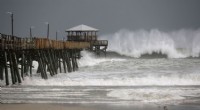
* Waves: Waves crashing against coastlines can erode cliffs and create beaches.
* Wind: Wind can transport sand and dust, eroding rock formations and creating sand dunes.
Ultimately, the "most powerful" method depends on the specific geographic setting and the time frame considered.