1. Mass Wasting:
* Gravity pulls rocks, soil, and sediment downhill. This creates various forms of mass wasting like landslides, rockfalls, mudflows, and creep. These events move large amounts of material quickly, causing significant erosion.
* Slope stability: Gravity affects the stability of slopes. Steeper slopes are more prone to mass wasting due to the increased force pulling materials downhill.
2. Water Erosion:
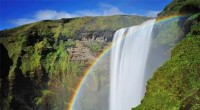
* Gravity influences water flow: Gravity pulls water downhill, creating streams and rivers. The force of the flowing water, fueled by gravity, erodes the channels, banks, and surrounding landscape.
* Water velocity: Gravity determines the speed and power of water flow. Faster-moving water has greater erosive power, carving out valleys, canyons, and gorges.
3. Wind Erosion:
* Wind speed: Gravity influences wind speed. Wind flowing downhill will be stronger due to gravity's pull, increasing its erosive power.
* Particle transport: Gravity helps lift and transport particles picked up by the wind, contributing to abrasion and deflation.
4. Glacial Erosion:
* Glacier movement: Gravity pulls glaciers downhill, causing them to move and exert immense pressure on the land. This pressure, combined with the abrasive power of rocks embedded in the ice, creates valleys, cirques, and other glacial features.
5. Coastal Erosion:
* Wave action: Gravity drives the movement of ocean water, generating waves that erode coastlines. Waves crashing against cliffs and beaches can break down rock and transport sand.
* Tidal currents: Gravity influences tides, which create currents that can erode shorelines.
In summary: Gravity plays a fundamental role in erosion by driving the movement of water, wind, ice, and even rock and soil. It influences the speed, force, and direction of these erosive agents, shaping the Earth's surface over time.