* Dissolving Power: Limestone is primarily made of calcium carbonate, which is slightly soluble in water, especially when the water is slightly acidic (due to dissolved carbon dioxide from the air).
* Crack Expansion: As water flows through cracks in the limestone, it slowly dissolves the rock, widening the cracks over time.
* Cave Formation: The widening cracks can eventually form large underground cavities called caves.
* Other Features: Besides caves, other karst features can form, including:
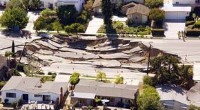
* Sinkholes: Depressions in the ground formed when the roof of an underground cave collapses.
* Stalactites and Stalagmites: Formations that grow from the ceiling (stalactites) or floor (stalagmites) of caves, created by dripping water depositing calcium carbonate.
* Karst Springs: Places where groundwater emerges from the underground, often with a high flow rate due to the extensive underground drainage system.
The formation of caves and karst features is a slow process, but over thousands or millions of years, water can significantly alter the landscape by dissolving limestone.