Intrusive features (magma stays underground):
* Batholiths: Large, irregularly shaped bodies of igneous rock that form deep underground.
* Stocks: Smaller, more localized versions of batholiths.
* Dikes: Sheet-like intrusions that cut across existing rock layers.
* Sills: Sheet-like intrusions that are parallel to existing rock layers.
* Laccoliths: Dome-shaped intrusions that push up overlying layers of rock.
* Plutons: Any intrusive igneous body.
Extrusive features (magma erupts onto the surface):
* Volcanoes: Conical mountains formed by the accumulation of lava and ash.
* Lava flows: Streams or sheets of molten rock that flow from a volcano.
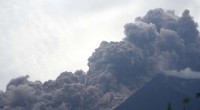
* Pyroclastic flows: Fast-moving, deadly currents of hot gas and ash.
* Lava domes: Bulges of viscous lava that accumulate near a volcano's vent.
* Calderas: Large, bowl-shaped depressions formed by the collapse of a volcano's summit.
Other possibilities:
* Geothermal features: Hot springs, geysers, and fumaroles can be formed by the presence of magma near the surface.
* Hydrothermal vents: These underwater vents release hot, chemically-rich water that supports unique ecosystems.
Ultimately, the specific formation depends on:
* The composition of the magma: Different types of magma have different properties, affecting how they flow, erupt, and solidify.
* The location of the magma: The depth and location of the magma chamber influences the pressure and forces acting on it.
* The surrounding rock: The type and structure of surrounding rock influence how the magma intrudes or erupts.
So, the answer to your question is: magma rising can form a wide range of features, both underground and on the surface, depending on the specific circumstances.