Here's a breakdown:
What are Minerals?
Minerals are naturally occurring, solid, inorganic substances with a defined chemical composition and a specific crystalline structure.
What are Silicate Minerals?
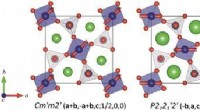
Silicate minerals are a vast and diverse group of minerals that all share one key characteristic: they contain the silicate anion (SiO4)4- as a fundamental building block. This tetrahedral structure, with one silicon atom at the center and four oxygen atoms at the corners, is the foundation for a wide variety of silicate minerals.
Key Differences Between Silicate Minerals and Other Minerals:
* Chemical Composition: Silicate minerals are defined by the presence of the silicate anion. Other minerals can have a variety of chemical compositions, including carbonates (CO3)2-, oxides (O2-), sulfides (S2-), and many more.
* Structure: The tetrahedral silicate anion is the basis for a diverse range of crystal structures in silicate minerals. Other minerals have their own characteristic structures based on their different chemical compositions.
* Properties: The presence of the silicate anion influences the physical and chemical properties of silicate minerals. For example, many silicates are hard and durable, while others are more easily weathered.
Examples:
* Silicate Minerals: Quartz (SiO2), Feldspar (KAlSi3O8), Olivine (Mg2SiO4), Mica (KAl2(AlSi3O10)(OH)2)
* Non-Silicate Minerals: Halite (NaCl), Calcite (CaCO3), Pyrite (FeS2), Gold (Au)
In summary:
Silicate minerals are a specific *type* of mineral distinguished by the presence of the silicate anion in their chemical composition and structure. They share common characteristics, but also exhibit a wide range of variations depending on the arrangement of the silicate tetrahedra and the presence of other elements.