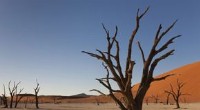
Topography refers to the shape and features of the Earth's surface, including its elevation, slope, and landforms. It's essentially a description of the terrain. Think of it as a detailed map showing hills, valleys, mountains, and other features.
Relief, on the other hand, describes the vertical differences in elevation across a particular area. It's a measure of how much the land rises and falls, and it's often expressed as the difference between the highest and lowest points.
How they relate:
* Relief is a key component of topography. The variations in elevation that make up relief are what create the landforms that define topography.
* Topography helps us visualize relief. A topographic map allows us to understand the relief of an area by showing its features and how they change in elevation.
* Relief influences many aspects of topography. For example, areas with high relief tend to have steep slopes and dramatic landscapes, while areas with low relief tend to be flatter.
In essence:
* Topography is the description, the overall picture of the Earth's surface.
* Relief is the measurement, the specific vertical differences in elevation that contribute to that picture.
You can think of it like this: You could describe a mountain range as "high relief" with "jagged topography."