Factors influencing what's near igneous rock:
* Type of igneous rock:
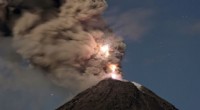
* Extrusive igneous rocks (volcanic): Formed from lava flows, so you'd find things like volcanic ash, pumice, and possibly other volcanic features (craters, lava tubes, etc.).
* Intrusive igneous rocks (plutonic): Formed from magma that cools underground, so you'd likely find metamorphic rocks (formed by heat and pressure from the magma) and sedimentary rocks that were present before the intrusion.
* Geological setting:
* Active volcanic areas: You'd likely find other volcanic features, hot springs, geothermal activity, and potentially mineral deposits.
* Ancient volcanic areas: You might find eroded remnants of volcanic features, volcanic ash deposits, and possibly fossils.
* Mountain ranges: Igneous rocks are often found in mountain ranges, so you'd likely find other metamorphic rocks and sedimentary rocks.
* Specific location:
* Oceanic plates: Igneous rocks are common on the ocean floor (mid-ocean ridges). You'd find other seafloor features like hydrothermal vents, sediment layers, and marine life.
* Continental plates: Igneous rocks are often found in continental interiors and along plate boundaries. You'd likely find different rock types depending on the specific tectonic setting.
Here are some possibilities:
* Other igneous rocks: You could find different types of igneous rocks, depending on the specific geological history of the area.
* Metamorphic rocks: Heat and pressure from the magma or lava can transform existing rocks into metamorphic rocks.
* Sedimentary rocks: Sedimentary rocks can be formed from the erosion of igneous rocks, or they may have been deposited on top of igneous rocks.
* Fossils: If the igneous rock is old enough, it may contain fossils of organisms that lived at the time the rock was formed.
* Mineral deposits: Igneous rocks can be a source of valuable minerals, such as gold, silver, copper, and iron.
* Geothermal features: Hot springs, geysers, and other geothermal features can be associated with igneous rocks.
To provide a more specific answer, please tell me:
* What type of igneous rock are you interested in?
* Where is the rock located?
* What is the geological context of the rock?