1. Plate Tectonics:
* Convergent Plate Boundaries: When two tectonic plates collide, the denser plate subducts (slides) beneath the less dense plate. This process can lead to:
* Folding: The pressure of the collision causes the Earth's crust to fold into mountain ranges. The Himalayas are a prime example, formed by the collision of the Indian and Eurasian plates.
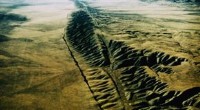
* Faulting: The collision can also cause the crust to fracture and break, resulting in uplifted blocks of rock that form mountains. The Sierra Nevada mountains in California are a good example of mountains formed by faulting.
* Volcanic Activity: As the denser plate subducts, it melts, creating magma. This magma rises to the surface, erupting as volcanoes that can build up over time to form mountains. The Andes Mountains in South America are an example of a mountain range with many volcanoes formed by subduction.
* Divergent Plate Boundaries: When two tectonic plates move apart, magma from the mantle rises to the surface, creating new crust and volcanic mountains. The Mid-Atlantic Ridge is an example of a mid-ocean ridge where new crust is formed, and volcanic mountains are created.
2. Uplift and Erosion:
* Isostatic Uplift: The Earth's crust is in a state of balance, with denser areas sinking and lighter areas rising. This process, called isostatic uplift, can cause mountains to rise over time.
* Erosion: Weathering and erosion by wind, water, and ice can sculpt mountains into distinctive shapes. Eroded material is transported downhill, creating valleys and other features.
3. Other Processes:
* Volcanic Activity: Volcanoes can form mountains directly by the accumulation of lava and ash. Mount Kilimanjaro in Africa is an example of a mountain formed by volcanic activity.
* Impact Craters: The impact of meteorites can create mountains, although these are relatively rare.
Different Types of Mountains:
* Fold Mountains: Formed by the folding of rock layers, like the Himalayas.
* Block Mountains: Formed by faulting and uplift, like the Sierra Nevada.
* Volcanic Mountains: Formed by the accumulation of lava and ash, like Mount Fuji.
* Plateau Mountains: Elevated flat areas that have been uplifted and eroded, like the Colorado Plateau.
Understanding these processes helps us understand the formation of diverse mountain landforms, their unique characteristics, and their role in shaping the Earth's landscape.