* Chemical Composition: Limestone and dolomite are primarily composed of calcium carbonate (CaCO3) and magnesium carbonate (MgCO3), respectively. These carbonates are soluble in slightly acidic water.
* Carbon Dioxide: Rainwater naturally absorbs carbon dioxide from the atmosphere, forming carbonic acid (H2CO3). This weak acid reacts with the carbonates in bedrock, forming soluble bicarbonates.
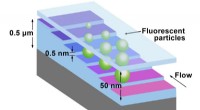
* Dissolution Process: The chemical reaction between carbonic acid and the carbonates leads to the dissolution of the bedrock. The dissolved minerals are then carried away by the running water.
Other types of bedrock that can be dissolved to a lesser extent include:
* Evaporites: Rocks like gypsum and halite are soluble in water, although they dissolve more slowly than carbonates.
* Some Igneous and Metamorphic Rocks: While generally less susceptible, some igneous and metamorphic rocks contain minerals that can be slowly dissolved by acidic water, particularly in the presence of cracks and fractures.
Factors that influence dissolution:
* Water Chemistry: The acidity of the water is a significant factor. More acidic water dissolves bedrock faster.
* Flow Rate: Faster flowing water can carry away dissolved minerals more effectively, leading to increased dissolution.
* Temperature: Warmer water generally dissolves minerals faster.
* Fractures and Joints: Bedrock with more fractures and joints allows water to penetrate deeper, increasing the surface area exposed to dissolution.
Examples of Dissolution Features:
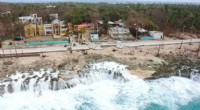
* Caves: Formed by the dissolution of limestone bedrock.
* Sinkholes: Depressions in the ground caused by the collapse of underlying limestone.
* Karst Topography: A landscape characterized by caves, sinkholes, and other features formed by dissolution.
While running water dissolves bedrock most effectively in carbonate rocks, other factors contribute to the process. The interplay of water chemistry, flow rate, temperature, and bedrock composition determines the rate and extent of dissolution.