Here's why:
* Explosive Eruptions: Stratovolcanoes are known for their explosive eruptions, driven by the buildup of pressure from viscous, gas-rich magma.
* Viscous Magma: Their magma is thick and sticky, due to a high silica content. This magma traps gases, leading to an intense buildup of pressure.
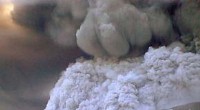
* Ash Production: When the pressure finally releases, it violently blasts the magma into the air. The fragmented magma rapidly cools and solidifies into tiny particles, forming volcanic ash.
Examples of stratovolcanoes known for producing thick ash clouds:
* Mount Vesuvius (Italy)
* Mount St. Helens (USA)
* Mount Fuji (Japan)
* Mount Pinatubo (Philippines)
Other volcano types:
* Shield Volcanoes: Have gentle slopes and produce effusive eruptions with lava flows, not thick ash clouds.
* Cinder Cones: Smaller volcanoes that usually have short-lived, explosive eruptions, but their ash clouds are typically less dense than those from stratovolcanoes.