General Terms:
* Lowlands: This is a broad term for any area of land that has low elevation compared to the surrounding terrain.
* Plains: These are flat or gently rolling areas of land with little change in elevation. They often have low relief.
* Valleys: These are areas of land that are lower than the surrounding areas, usually formed by erosion. They can have low or high relief depending on the size and shape.
* Depressions: These are areas of land that are lower than the surrounding area, often formed by tectonic activity or erosion. They can have low or high relief depending on the size and shape.
Specific Terms:
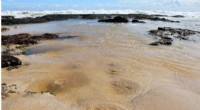
* Coastal plains: These are low-lying plains located along the coast.
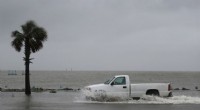
* Floodplains: These are flat areas of land that are subject to flooding.
* Alluvial plains: These are plains formed by the deposition of sediment by rivers.
* Pediments: These are gently sloping surfaces that are usually found at the base of mountains.
* Peneplains: These are nearly flat surfaces that have been worn down by erosion over a long period of time.
The specific term used to describe a landform with low relief and elevation will depend on the specific characteristics of the landform.