1. Weathering and Erosion: This is the breakdown of existing rocks (igneous, metamorphic, or even other sedimentary rocks) into smaller pieces. This can be caused by:
* Physical weathering: Breaking down rocks through mechanical forces like freezing/thawing, abrasion, or root growth.
* Chemical weathering: The chemical alteration of rocks through processes like oxidation, dissolution, or hydrolysis.
* Biological weathering: Breakdown of rocks through the actions of organisms like plants or animals.
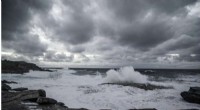
* Erosion: The transportation of weathered rock fragments by wind, water, or ice.
2. Deposition, Burial, and Lithification: After being transported, the weathered rock fragments (sediments) eventually settle in a new location. This process of deposition often occurs in layers. Over time, these layers are buried deeper and deeper by more sediments. The weight of the overlying sediments, along with the pressure from the Earth's crust, leads to:
* Compaction: The sediments are squeezed together, reducing the pore space between them.
* Cementation: Dissolved minerals in the groundwater precipitate between the sediment particles, acting like glue to bind the sediments together. This process creates a solid rock.
So, while the formation of sedimentary rock involves many smaller processes, these two broad stages (weathering & erosion, followed by deposition and lithification) are the key steps involved.