Here are some examples:
* U-shaped valleys: These are the classic hallmark of glacial erosion. As a glacier flows, it scoops out the valley floor and steepens the sides, creating a characteristic U-shape. In contrast, rivers carve V-shaped valleys.
* Cirques: These are bowl-shaped depressions at the head of a glacier, often containing a small lake called a tarn. The glacier's erosive power is strongest here, where it begins its descent.
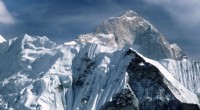
* Aretes: These are sharp, jagged ridges formed when two cirques erode back-to-back.
* Pikes: These are sharp, pointed peaks formed when three or more cirques erode a mountain from multiple sides.
* Hanging valleys: These are smaller valleys that are perched high above the main valley floor. They form because tributary glaciers erode less deeply than the main glacier.
* Fjords: These are long, narrow inlets of the sea that were once glaciated valleys. They are often very deep and have steep sides.
* Striations and grooves: These are scratches and grooves that are carved into bedrock by rocks embedded in the bottom of the glacier. They provide valuable information about the direction and movement of the glacier.
Here's a summary of how these features form:
1. Abrasion: Rocks embedded in the glacier scrape against the bedrock, like sandpaper. This process creates striations, grooves, and polishes the bedrock.
2. Plucking: As the glacier melts, water seeps into cracks in the bedrock. When the water freezes, it expands and exerts pressure on the rock, eventually breaking it off. This process is called plucking.
Glacial erosion is a powerful force that shapes the landscape. These landforms are a testament to the ability of ice to move and sculpt the Earth's surface.