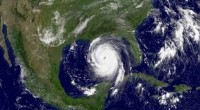
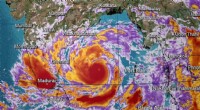
1. High Wave Energy: Areas exposed to strong waves, especially during storms and high tides, experience increased erosion. This is particularly true for coastlines with:
* Open ocean exposure: Coastlines directly facing large bodies of water with minimal land protection.
* Steep slopes: Beaches with a steep incline are more susceptible to wave attack.
* Low-lying land: Coastlines with minimal elevation are more vulnerable to flooding and erosion.
2. Soft Sediment Coastlines: Coastlines made of sand, silt, or clay are easily eroded by wave action. These areas often have:
* Sandy beaches: Beaches with loose, unconsolidated sediment.
* Mudflats: Areas of soft, fine sediment exposed at low tide.
3. Rising Sea Levels: As sea levels rise, the base of cliffs and other coastal features is submerged, increasing their susceptibility to erosion.
4. Human Activities: Human actions can exacerbate coastal erosion, including:
* Coastal development: Construction of structures like seawalls and groins can disrupt natural sediment transport and cause erosion in neighboring areas.
* Over-harvesting of vegetation: Coastal vegetation helps stabilize sand dunes and protect shorelines. Removing this vegetation can lead to increased erosion.
* Climate change: Rising sea levels and increased storm frequency and intensity due to climate change intensify erosion processes.
Specific examples of areas with high coastal erosion include:
* United States: The Gulf Coast, the Atlantic Coast (especially the Outer Banks), and the Pacific Coast (especially California) are known for significant erosion.
* Australia: The Great Barrier Reef and the coastline of Tasmania are experiencing notable erosion.
* Europe: The Baltic Sea coast, the North Sea coast, and the Mediterranean coast are all prone to erosion.
* Asia: The coasts of China, India, and Bangladesh are facing significant erosion challenges.
It's important to note: Coastal erosion is a natural process, but human activities and climate change have accelerated its rate in many areas. Effective coastal management strategies are crucial to mitigate the impacts of erosion and protect coastal communities.