Here's a breakdown:
1. Sediment Transport:
- Wind: Wind carries sand, dust, and other fine particles, depositing them in areas like deserts, beaches, and river valleys.
- Water: Rivers, streams, and ocean currents transport sediments of various sizes, ranging from fine clay to large boulders.
- Ice: Glaciers, during their movement, pick up and transport rocks and soil, depositing them in moraines and other glacial landforms.
2. Depositional Environment:
- The location where sediments accumulate depends on the transporting agent and the environment. Some common depositional environments include:
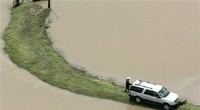
- Rivers: Deltaic deposits, floodplains, and riverbeds
- Oceans: Beaches, continental shelves, and deep ocean trenches
- Lakes: Lakeshore deposits and bottom sediments
- Deserts: Sand dunes and loess deposits
3. Sediment Accumulation:
- As the transporting agent loses energy, it drops the sediments it carries.
- The size and type of sediment deposited depend on the energy of the transporting agent.
- Fine-grained sediments like clay and silt are deposited in low-energy environments, while coarser sediments like sand and gravel are deposited in high-energy environments.
4. Formation of Sedimentary Rocks:
- Over time, the accumulated sediments are buried under layers of newer sediments.
- The weight and pressure of overlying sediments, along with chemical reactions and cementation, transform the loose sediments into solid sedimentary rocks.
Importance of Sediment Deposition:
- Landform Development: Deposition shapes the Earth's surface, creating mountains, valleys, plains, and beaches.
- Resource Formation: Sedimentary rocks are sources of valuable resources like coal, oil, and natural gas.
- Understanding Earth's History: Sedimentary rocks contain fossils, which provide clues about ancient life and environments.
Examples of Sediment Deposition:
- Delta Formation: River deposition at the mouth of a river creates a triangular-shaped landform called a delta.
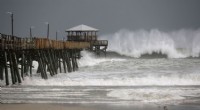
- Beach Formation: Wave action carries and deposits sand along shorelines, forming beaches.
- Loess Deposits: Wind deposition of fine-grained silt, forming fertile soils in areas like the Chinese Loess Plateau.
- Glacial Moraines: Glaciers deposit piles of rock and debris, forming moraines, which mark the extent of past glaciations.