1. Moist Air Rises: As moist air approaches a mountain, it is forced to rise by the mountain's slope. As the air ascends, it cools due to adiabatic cooling. This means the air cools as it expands into lower pressure at higher altitudes.
2. Condensation and Precipitation: The cooling air reaches its dew point, causing water vapor to condense into clouds and eventually precipitation on the windward side of the mountain.
3. Dry Air Descends: The air that has lost its moisture descends on the leeward side of the mountain. As it descends, it compresses due to increasing atmospheric pressure.
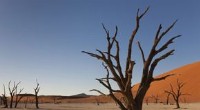
4. Adiabatic Warming: This compression causes the air to warm up, leading to a dry and often warmer climate on the leeward side of the mountain.
In summary:
* The windward side of a mountain receives the most precipitation and is generally cooler due to adiabatic cooling.
* The leeward side of the mountain is dry and warmer because the air has lost its moisture and warmed due to adiabatic warming as it descends.
This phenomenon is often called the rain shadow effect, as the leeward side of a mountain is typically much drier than the windward side.