Marine erosion, also known as coastal erosion, is the gradual wearing away of the coastline by the forces of the ocean. It's a natural process driven by various factors, including:
1. Waves:
- Wave impact: The sheer force of crashing waves against cliffs and shores can break down rock and transport sediment.
- Abrasion: Waves carrying sand and pebbles act like sandpaper, grinding away at the coastline.
- Hydraulic action: Air trapped in cracks and crevices is compressed by incoming waves, causing pressure that weakens and eventually breaks the rock.
2. Tides:
- Tidal currents: The rise and fall of tides can carry sediment and create powerful currents that erode the coastline.
- Tidal surges: Storm surges or tsunamis can cause massive erosion, often removing large amounts of sand or even land.
3. Wind:
- Wind-driven waves: Strong winds can generate powerful waves that contribute to erosion.
- Salt spray: Wind can carry salt spray inland, damaging vegetation and accelerating erosion.
4. Other factors:
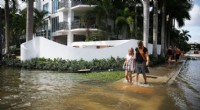
- Sea-level rise: As sea levels rise, the coastline is exposed to more wave action and increased erosion.
- Storms: Powerful storms can cause significant erosion in a short period.
- Human activities: Coastal development, dredging, and sand mining can disrupt natural erosion processes and accelerate erosion.
Impacts of marine erosion:
- Loss of land: Erosion can lead to the gradual loss of coastline, beaches, and even land.
- Damage to infrastructure: Coastal structures like homes, roads, and seawalls can be damaged or destroyed by erosion.
- Ecosystem disruption: Erosion can impact coastal habitats, disrupt ecosystems, and threaten wildlife.
Mitigation measures:
- Seawalls: Concrete or rock walls built to protect the shoreline.
- Groynes: Structures that extend into the ocean to trap sand and prevent erosion.
- Beach nourishment: Adding sand to beaches to replenish what has been lost to erosion.
- Vegetation: Planting coastal vegetation can help stabilize sand dunes and prevent erosion.
Understanding marine erosion is crucial for managing coastal areas and protecting communities from its damaging effects.